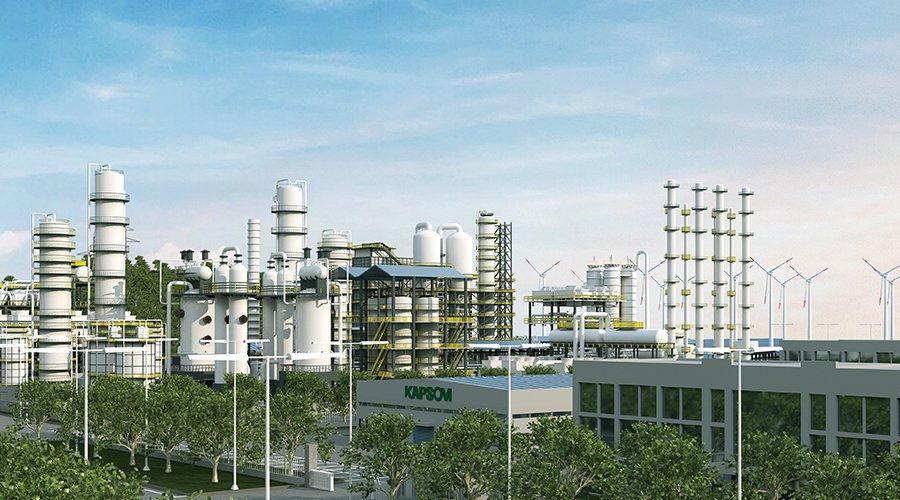
KAPSOM has finished dispatching equipment for the Good Earth Green Hydrogen and Ammonia (GEGHA) project in Australia, Fertilizer Daily Markets reported, citing the company. The final shipments were completed in late September 2026 and included the core skid-mounted ammonia synthesis equipment. The plant is designed to produce 5,000 tonnes of ammonia annually, with start-up scheduled for early 2027.
Hiringa Energy and Sundown Pastoral Company are developing the project near Moree in New South Wales, beside the Wathagar cotton ginning facility. The integrated scheme is intended to use solar electricity to produce hydrogen, which will then be converted into ammonia. Its planned local applications include fertilizer and renewable fuel, with cotton growers identified as the target customers. Following completion of equipment dispatch, KAPSOM’s next stage of work is installation and commissioning at the site.
Fertilizer Daily Markets described GEGHA as a small modular demonstration project, rather than a commodity-scale ammonia plant. Its 5,000-tonne annual nameplate capacity is substantially below the annual output implied by Casale’s 100-tonne-per-day modular unit in Norway, which the outlet used as a comparison. For GEGHA, the focus is on testing production close to agricultural users, rather than supplying ammonia at the scale of a large commodity facility.
The project will examine whether making nitrogen fertilizer near the farms consuming it can reduce freight expenditure and emissions in an inland cropping region, according to the report. Those potential benefits remain to be demonstrated. The announcement provided no details of project costs, financing arrangements or offtake terms with growers. Operational performance also remains untested: commissioning in 2027 is expected to establish whether the plant can operate reliably with a variable solar power supply. Completion of equipment shipments therefore marks a step towards start-up, not confirmation of commercial or operating results.