The Asian Development Bank (ADB) and Japan’s government have signed financing agreements with AM Green Ammonia (India) for its Kakinada green ammonia project in Andhra Pradesh, Fertilizer Daily reported. The agreements, signed on 15 October, include a $100 million loan through the Leading Asia’s Private Infrastructure Fund 2, which is financed by the Japan International Cooperation Agency and managed by ADB.
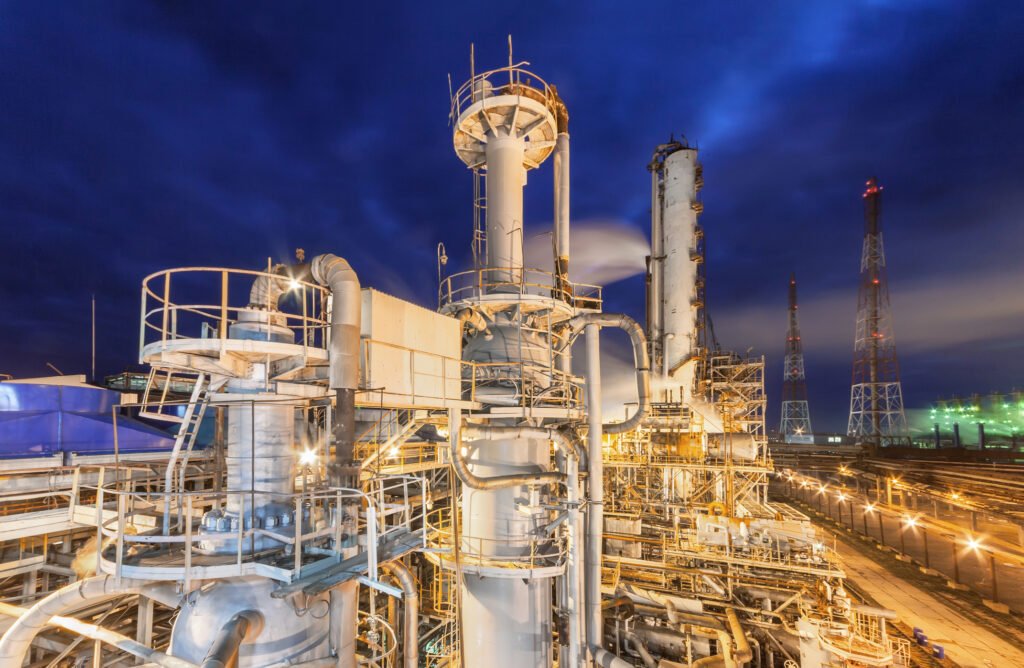
The development involves converting an existing natural gas-based ammonia and urea facility to production powered by renewable energy. Fertilizer Daily cited ADB as putting the converted plant’s capacity at approximately 1.1 million tonnes annually. Rather than describing a wholly new production site, the report identifies the project as a change in the energy basis of an established ammonia and urea operation.
Kakinada is the first investment made through ACCEL, the energy security initiative introduced by ADB and Japan in May 2026. The initiative is intended to support Asia-Pacific economies facing high energy prices. In comments accompanying the financing, ADB president Masato Kanda highlighted ammonia’s role in fertilizer manufacturing and said renewable electricity would allow India to produce ammonia with substantially lower emissions.
The project already has an agreement with Uniper covering long-term purchases of up to 500,000 tonnes of green ammonia a year from 2028. That offtake deal was signed in January 2026, according to Fertilizer Daily. The outlet also reported that AM Green secured a separate 10-year H2Global contract earlier in October to supply Germany.
Fertilizer Daily presented the multilateral lending as a sign of credibility for the project against a difficult commercial backdrop for some Indian green ammonia developments. The outlet said several projects were struggling to make offtake economics work, citing INOX’s decision to abandon a $3 billion plan in Maharashtra. The Kakinada financing therefore follows both existing purchase commitments and setbacks elsewhere in the sector.