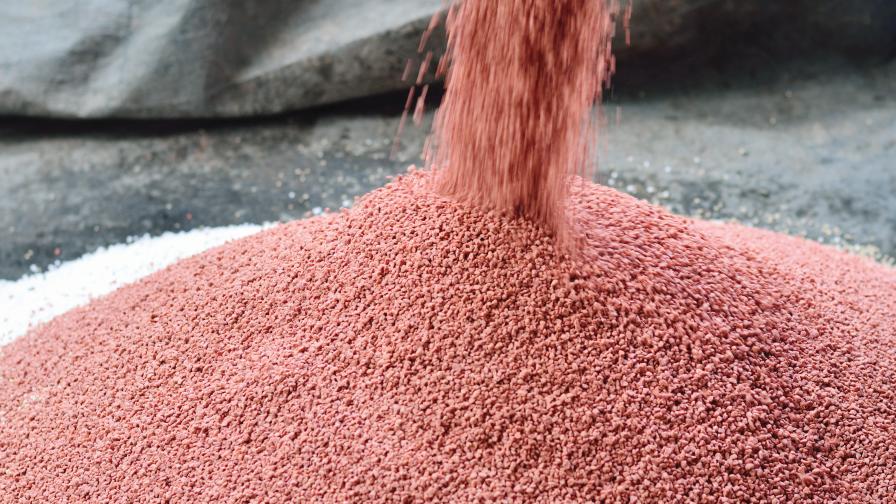
Higher sulphur costs and supply constraints are expected to keep phosphate fertilizer prices elevated ahead of the 2027 growing season, according to an outlook published by CropLife Fertilizer. The report describes a difficult purchasing environment for North American growers, with crop prices weighing on margins and previous cuts in phosphorus applications potentially leaving less scope to draw on soil reserves.
CropLife Fertilizer reports that sulphur prices have risen by more than 1,000% since 2024, citing commercial reports from major fertilizer producers including The Mosaic Co. and energy intelligence from S&P Global Commodity Insights. It puts the increase in phosphate fertilizer prices over the same period at 36%. Sulphur is needed to convert phosphate rock into phosphoric acid, making its availability and cost important factors in phosphate production.
The outlet links tighter sulphur availability to disruption in oil and refined-product movements, noting that most global sulphur production comes from oil refining. It also points to growing competition for supplies from industries supplying electronics and energy storage. Transport restrictions, river conditions and drought can compound those pressures by affecting fertilizer availability and delivered costs.
According to the report, high sulphur costs or shortages have prompted phosphate production curbs in China, Morocco, Brazil, Russia and the US. North American buyers also compete with other destinations for internationally traded product. Where overseas markets offer better returns, fertilizer produced outside North America may be diverted towards those buyers, complicating efforts to secure supplies for a particular delivery window.
CropLife Fertilizer presents a comparatively more favourable outlook for potash, suggesting growers may have an opportunity to restore potassium applications previously reduced. Its agronomic guidance nevertheless stresses that extra nitrogen, potassium or sulphur cannot compensate for inadequate phosphorus. Equally, it cautions against cutting all other nutrients simply because the intended phosphorus rate cannot be achieved.
The report warns that repeated applications below crop removal can erode soil fertility and leave growers more exposed to nutrient limitations. It also advocates incorporating soil biology and bio-crop nutrition products into fertility programmes, arguing that these can help access nutrients already in the soil. That recommendation forms part of the outlet’s broader call for retailers and growers to consider multiple nutrient sources and approaches while protecting longer-term productivity.