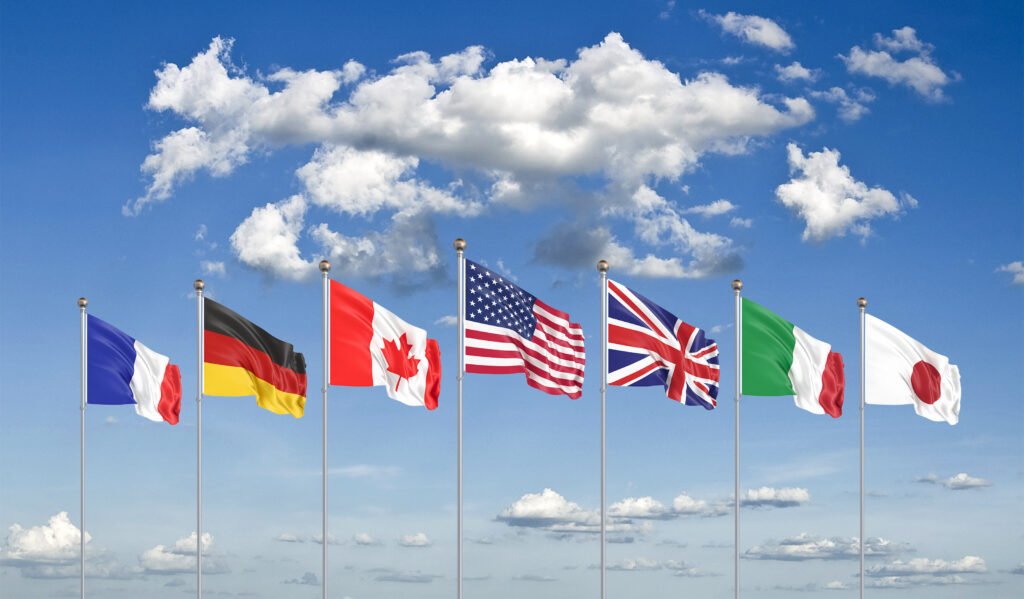
The G7 has pledged €2.5 billion to help lower-income countries obtain fertilizer and strengthen food security, Fertilizer Daily reported. French Economy Minister Roland Lescure announced the commitment in Bangkok on 15 October, on the sidelines of the annual International Monetary Fund and World Bank meetings. France holds the group’s rotating presidency in 2026.
Lescure said the World Bank had identified 44 countries at risk of food insecurity amid rising energy prices. According to Fertilizer Daily’s account of Bloomberg reporting, the funding is intended to support fertilizer deliveries to those countries, with Africa receiving priority. The announcement links assistance for fertilizer access to the wider effort to address food-security risks in lower-income economies.
The reported value of the commitment differs between news agencies. Fertilizer Daily put the pledge at €2.5 billion, equivalent to about US$2.8 billion, while noting that AFP reported US$2.5 billion. Neither Bloomberg nor AFP specified how the money would be disbursed, how much individual G7 members would contribute or when deliveries would take place. Those details therefore remain unresolved in the reporting.
The pledge follows an action plan adopted in June by G7 finance and development ministers alongside Brazil, India, Kenya and South Korea. That plan characterised poorer countries’ fertilizer difficulties primarily as problems of affordability and liquidity, rather than a lack of physical supply. It called for working-capital assistance for smallholder farmers and investment in domestic production. Six multilateral development banks have subsequently committed to a joint financing roadmap for fertilizer supply chains.
The announcement comes against continuing disruption to Gulf fertilizer exports. Fertilizer Daily reported that shipments through the Strait of Hormuz remained largely suspended more than seven months after the conflict with Iran began. For importing countries in Africa and South Asia, the immediate issue is whether the pledged support can reach farmers ahead of their next planting windows.