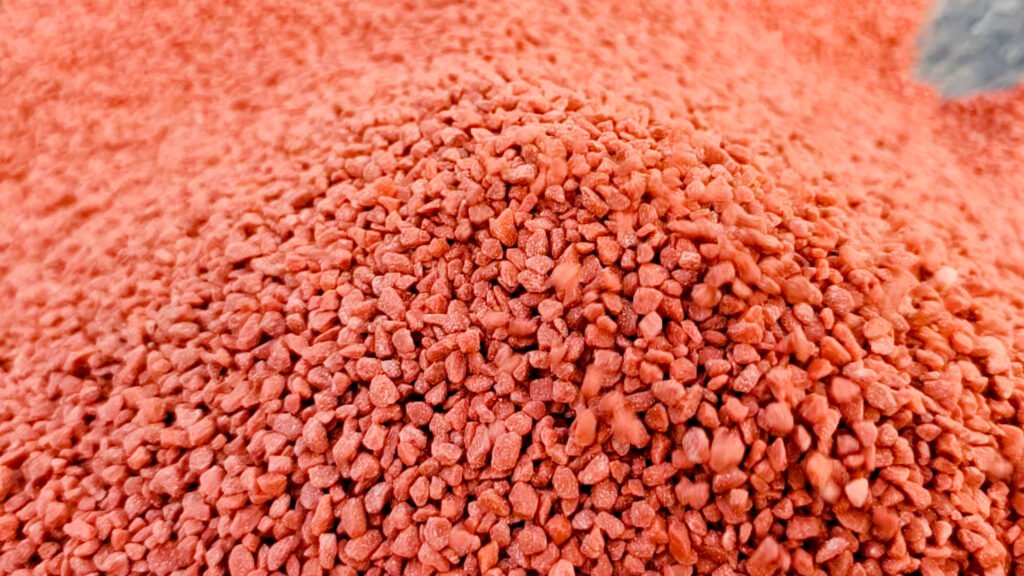
Buffalo Potash has secured Saskatchewan regulatory clearance to finish building and operate the first production module at its Disley project, around 50 kilometres northwest of Regina. Fertilizer Daily Markets, citing an October 16 report by MINING.COM, said the decision kept initial production on schedule for early 2027. The module has a planned annual capacity of 125,000 metric tonnes of potash.
An April preliminary economic assessment put the module’s capital cost at C$41.5 million ($29.2 million). The operation will trial Buffalo’s patented horizontal line-drive process, in which brine saturated with sodium chloride moves through parallel horizontal wells to dissolve underground potassium chloride. Drilling and well completion work have been finished. Buffalo is now preparing for brine circulation alongside the installation of surface equipment, according to the report.
Output from the first module is intended to be soluble-grade potash, with sales planned to local agricultural users and customers requiring a drilling-fluid additive. The initial operation is also intended to establish whether Buffalo’s technology can deliver commercial production from potash deposits that are potentially less suited to conventional mining. Regulatory approval does not resolve that commercial test, which will depend on the module’s operation.
Buffalo’s wider development proposal includes Disley East and Disley West, two further facilities each planned to produce 500,000 metric tonnes annually. Including the first module, total planned capacity would be approximately 1.13 million metric tonnes a year. Fertilizer Daily Markets reported estimated combined capital expenditure of $639 million. Granular potash output is not anticipated before 2029.
Funding remains a requirement for further development. Buffalo reported cash holdings of C$15.1 million at June 30 and has acknowledged that additional financing is needed to progress its plans. The project is proceeding without a feasibility study, leaving its commercial economics and expansion funding unresolved. The next operational test is delivery of the first module on schedule; successful production could help demonstrate whether the solution-mining method offers a development option for smaller Saskatchewan deposits.